
(Image Courtesy of Watchdog.org.)
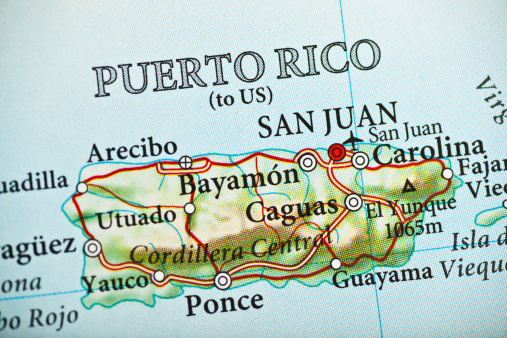
The political future of Puerto Rico remains unclear more than two weeks after residents cast their votes in high numbers. Close to 80 percent of Puerto Ricans voted in a referendum on Nov. 6th that aimed to re-evaluate Puerto Rico’s status with the United States.
Many media outlets announced the results of the recent vote now show that 61 percent of Puerto Ricans favor statehood, however that 61 percent is being questioned. The results of the two part vote may be more confusing than the island’s political status.
The first part of the vote consisted of a Yes/No question: Do you agree to maintain the current political territorial status? Here “No” won by nearly 54 percent. For the first time since the first of four plebiscites were held in 1967, a clear, simple majority voted against the current status and for some form of decolonization.
Even for those who voted yes, three options followed in the second part of the ballot: statehood, independence or a sovereign free associated state.
According to the Associated Press, 900,000 Puerto Rican voters or 54 percent said they were not happy with the current status. In the follow-up question, nearly 800,000 or 61 percent chose statehood as their preferred option, 437,000 picked sovereign free association and 72,560 selected independence. Close to 500,000 people left the question blank.
Angelo Falcón, president of the National Institute for Latino Policy, told CUNY-TV he believes there will be no immediate movement on the statehood issue in the U.S. Congress. Falcón notes if you factor in the almost 500,000 people who skipped the second question, the 61 statehood rate would go down to about 45 percent.
Rosa Clemente, the 2008 Green Party vice-presidential candidate and a supporter of Puerto Rican independence, believes the people of Puerto Rico truly want independence but are afraid of what a Puerto Rico without the support of the United States would look like.
Many also question if statehood is the general consensus on the island, why was pro-statehood Governor Luis Fortuño ousted in favor of pro-commonwealth Governor-elect Alejandro Garcia Padilla?
Both Falcón and Clemente believe Puerto Ricans on the U.S. mainland should have an opportunity to vote on the issue of Puerto Rico’s political status. According to the Pew Research Center, more people of Puerto Rican origin live in the United States than on the island.
The Associated Press stated that Puerto Rican Governor-elect Garcia plans to have a constitutional assembly in 2014 to address the island’s status and to raise another referendum with the support of Congress.
“I genuinely hope that Congress will listen to the will of the Puerto Rican people and to the citizens of that island,” he said.
[Below is Falcón and Cemente on CUNY-TV (interview within the first 10 minutes of the show.)]





